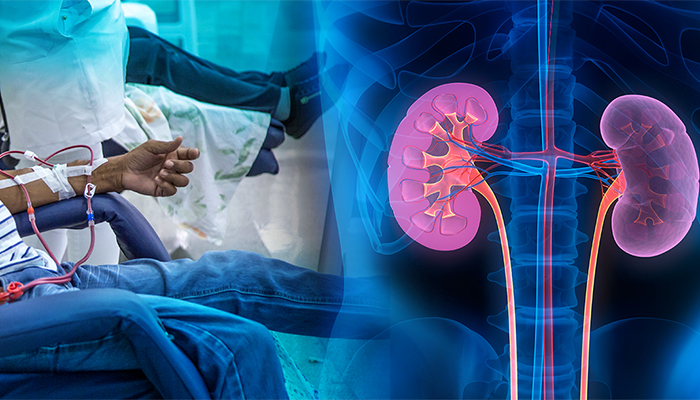
What is Dialysis? Types, Procedure and Side Effects.
In short, dialysis is not a cure but a kidney failure treatment that allows people to live longer and healthier lives in the management of kidney disease. Consulting the Best Nephrologist in Hyderabad ensures timely diagnosis and proper guidance for starting dialysis.
What is Dialysis?
It is a kind of medical treatment that performs the role of your kidneys when they are no longer able to work effectively. The healthy kidneys remove waste, toxins and excess fluids in the blood. However, in cases of chronic kidney disease or kidney failure, this function becomes impaired.
This is where an artificial kidney process comes in, helping remove waste, balance electrolytes and maintain fluid levels.
In short, dialysis is not a cure but a kidney failure treatment that allows people to live longer and healthier lives in the management of kidney disease.
When Is It Needed?
When the functioning of kidneys decreases to approximately 10- 15 percent of the normal functioning, doctors normally advise. This stage is known as end-stage kidney disease.
The typical symptoms that can contribute are:
- Severe fatigue
- Swelling in legs
- Breathing problems
- Nausea or appetite loss
- High potassium levels
In case these symptoms continue, it is important to consult a specialist or search for a Dialysis Doctor Near Me for immediate medical attention.
Types of Dialysis
It can be classified into 2 primary categories and the best depends on the health condition, lifestyle and recommendation of the doctor.
Hemodialysis
The most prevalent type of dialysis treatment is hemodialysis. A machine is used to filter your blood outside the body in this process.
What it performs:
- Blood is removed by using a needle inserted into a vein
- It passes through a dialyzer as an artificial kidney
- Cleaned blood is returned to your body
Frequency: Typically 3 times a week, therapy sessions take about 3- 5 hours.
Peritoneal Dialysis
Uses the natural membrane lining the abdominal wall to remove waste from the blood.
What it performs:
- A special fluid is injected into the abdominal area
- The blood passes waste products into this fluid
- The fluid is then emptied and refilled
Procedure and Expectations
Starting dialysis can feel overwhelming, but knowing what happens during this process can ease your concerns.
Before Dialysis
- Minor surgery is performed to establish access, such as a fistula or catheter
- Blood tests and assessments are done
- Your doctor will explain dietary and lifestyle adjustments
During Hemodialysis
- You will sit or lie comfortably
- Needles are inserted into your access point
- The machine filters your blood
- During the session, you can watch TV, read and sleep
During PD
- Fluid exchange occurs through machines or manually
- This is a painless procedure which can be performed when you are asleep
After Dialysis
- You may feel slightly tired
- Vital signs are monitored
- You can resume most normal activities with some precautions
Side Effects
This artificial kidney treatment is life saving but may have some side effects. These differ with an individual.
Common Side Effects
- Fatigue: Feeling tired after sessions is quite common, particularly in hemodialysis.
- Low Blood Pressure: This may make one feel dizzy, nauseous or weak during or after treatment.
- Muscle Cramps: Commonly experienced in the process of hemodialysis.
- Itching: Due to the buildup of waste products between dialysis sessions.
- Sleep Problems: Insomnia or restless legs are experienced by some of the patients.
Particular to PD:
- Peritonitis
- Gain of weight due to glucose in fluid
- An abdominal hernia happens due to pressure inside the abdomen
Selecting a reliable dialysis center in Hyderabad can make a significant difference in your treatment and overall well being.
Selecting Adequate Dialysis Care
Not only the dialysis procedure but also the quality of care that you can receive determines the success. Look for:
- Experienced nephrologists
- advanced dialysis equipment
- Clean and healthy work conditions
- Personalized patient care
A trusted healthcare provider ensures you receive the right guidance, comfort and long term support throughout your journey.
Final Thoughts
Dialysis may feel like a big life decision, but it is also an effective move towards managing kidney disease effectively. With the right information, proper medical support and a positive approach patients can live a good quality life.
The knowledge of the forms of hemodialysis, the process and the side effects helps you make informed decisions about your health.
Make the initial move toward a healthier kidney and a healthier tomorrow.
FAQs
Dialysis is a medical treatment that filters waste, balances electrolytes, and removes excess fluid when kidney function drops to around 10–15%. It is usually required in end-stage kidney disease when symptoms like swelling, fatigue, nausea, or high potassium levels occur. While it does not cure kidney disease, it helps sustain life.
Dialysis treatment in Hyderabad is overseen by experienced nephrologists who manage both hemodialysis and peritoneal dialysis. Dr. Seerapani Gopaluni provides personalized dialysis care, including vascular access management and regular monitoring, especially for patients in areas like Nanakramguda, typically scheduling around three sessions per week based on medical needs.
Hemodialysis uses a machine to filter blood outside the body and is usually performed three times a week for 3–5 hours per session. Peritoneal dialysis uses the lining of the abdomen as a natural filter and is performed daily at home through fluid exchanges. Both methods are widely available in Hyderabad’s Financial District, and the choice depends on lifestyle, health condition, and medical advice.
Common dialysis side effects include fatigue after treatment, low blood pressure, muscle cramps, itching, and sleep disturbances. Peritoneal dialysis may carry a risk of infection (peritonitis). Kidney specialists near your location in Hyderabad closely monitor patients and adjust treatment plans to minimize complications and ensure safety.
A quality dialysis center ensures safe and effective treatment through trained staff, advanced machines, strict hygiene protocols, and personalized diet guidance. This reduces infection risk, improves comfort during sessions, and enhances long-term outcomes for patients undergoing regular dialysis.