

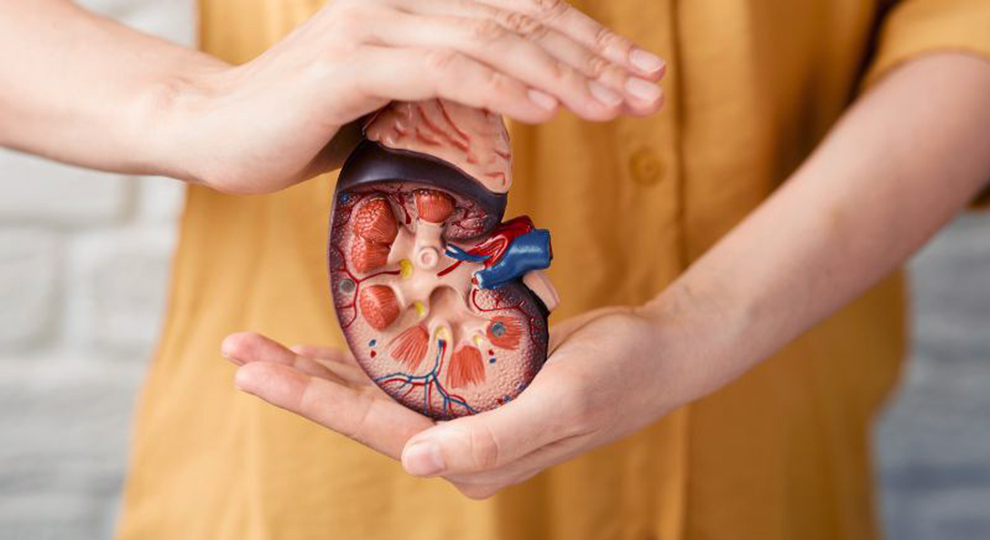
When Kidneys Give Out: Why Transplant Changes Everything
We take our kidneys for granted, let’s face it. Placed comfortably in your back are two small organs that do their best to regulate your bodily fluids, clean your blood, and regulate your blood pressure to a healthy level. Until something goes wrong, you don’t even think about them. But if they do... Well, all things change, though. The fatigue is overwhelming. Toxins start building up in your body.
Dialysis is your new best friend, and trust me, you are exhausted. Hours on a machine, hours planning your schedule around the machine... your life is now dictated by dialysis.
With a transplant, the script is flipped. It is not a cure, but it is the next best thing. A good organ will take on the function of the one that cannot do the job anymore. Suddenly, you are not living in a world of dialysis. You are just... living.
Who's a candidate?
Not all people with a problem associated with the kidneys will need this. We are talking about people whose kidneys have literally stopped working. This is caused by such problems as diabetes, high blood pressure, and sometimes the actual disease of the kidneys. Other causes include genetics, such as people with polycystic kidneys.
Before a person is even put on the list, they need to be evaluated as a whole. Your heart. Your health. Your strength. This is not just about getting a new kidney. This is about making sure that you are ready for what comes next.
Where do kidneys come from?
Two sources: living donors, usually family members, sometimes friends, sometimes just someone with a heart that wants to donate. The main benefit: you know the kidney is healthy before you even start the surgery! And the timing is in your own hands.
Or, deceased donors, people who, in giving their lives, were willing to give life as well. You can't always be prepared for such kindness, but you can be grateful for it, as it happens every day. In either case, the matching process is important: blood type, tissue type, these aren't just forms you fill out, they determine how well the kidney is going to function inside you.
What actually happens during surgery?
A few hours. The new kidney will go in your lower belly. That's a great place for us to watch it. And here's the surprise for most people: We usually leave your old kidneys in the same old spots. Unless they're hurting you or giving you an infection, there's no need for us to remove them.
A few days in the hospital after the transplant. We'll be watching everything—the way the kidney is functioning, for signs of infection, for how you're adjusting to the anti-rejection medication. And those medications? They're not optional. They keep your body from rejecting the kidney. Don't take them? You'll lose the kidney.
Life after transplant
Some people get better right away. Others take a little more time. But everyone seems to notice one thing: the fog begins to clear. Your energy returns. You can go places without planning around dialysis. You can go to work. Play with the kids. Without crashing from exhaustion.
But here is the thing: it is not a free pass. There is still a job to do. Take your medication. Show up for your appointments. Watch what you're eating. Fight off any kind of illness. This is a team effort. We provide the tools. You provide the effort.
And when it works—which for most people, it does—the difference is night and day. No dialysis required. Fewer rules to follow. More freedom to do what you want. And honestly? The mental adjustment can be just as impactful as the physical one. You begin to think about the future again.
What about risks?
However, let’s not pretend as though it’s perfect. There’s a chance that it won’t work. There are side effects with these drugs. There’s weight gain, weight loss, tremors in certain people, the risk of infection, etc. You have a weakened immune system, so you have to be careful around sick people.
But what we learn from this is that it's not a deal-breaker. It's not a problem that can't be overcome. We can manage your medications. We can manage your infections. We can manage your numbers. And when you compare that to dialysis? It's a pretty simple decision for most people.
The bottom line
A transplant is not magic. But for end-stage kidney disease, it is as close as we have come in medicine today. Preparation is important. Evaluation is important. And after-surgery follow-through? That is most important.
Transplant medicine today is not just about adding years to your life. It is about adding life to your years.
If you or a loved one is dealing with a failing kidney, seek a specialist. Not to sign up for anything. Just to learn what is possible. Sometimes that is the start of everything changing.
FAQs
An ABO-incompatible kidney transplant allows a patient to receive a kidney from a donor with a different blood group, such as A to O. This is made possible by removing antibodies through plasmapheresis and using immunosuppressant medications to prevent rejection, expanding donor options beyond traditional compatibility rules.
ABO-incompatible kidney transplants are performed and managed by experienced nephrologists and transplant specialists in Hyderabad. Dr. Seerapani Gopaluni provides comprehensive care, including antibody monitoring, pre-transplant preparation and post-operative management, especially for patients in areas like Nanakramguda.
Preparation for an ABO-incompatible transplant includes plasmapheresis to remove antibodies, immunosuppressive medications to prevent new antibody formation and close monitoring before and after surgery. Specialists in Hyderabad’s Financial District regularly check antibody levels to ensure the transplanted kidney functions safely.
An ABO-incompatible transplant allows patients to receive a kidney from a willing living donor even if blood groups do not match, reducing long dialysis dependency. It improves quality of life and long-term kidney outcomes when carefully managed, offering a valuable alternative to waiting for a compatible donor.
ABO-incompatible kidney transplants carry risks such as infection due to stronger immunosuppressive therapy and possible early rejection. Kidney specialists near your location in Hyderabad closely monitor patients and adjust medications to minimize complications, making outcomes safer with modern treatment protocols.