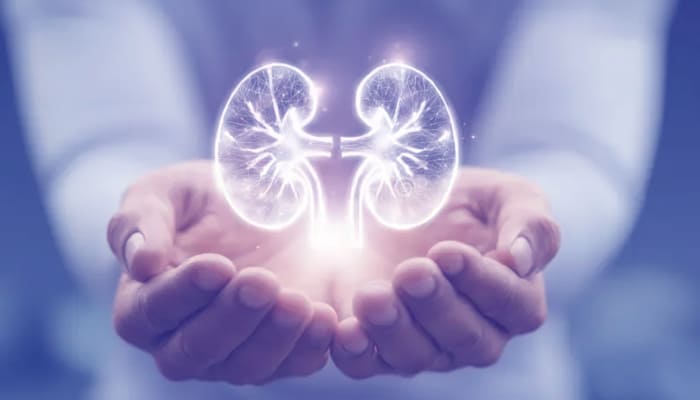
How Polycystic Kidney Disease Affects Your Body
A person may go through his whole life without a warning sign. Then, small changes start to appear. Tiredness, ache in the back or blood pressure that slowly shows up. What no one sees is tiny cysts growing over the years, slowly affecting how the kidneys work.
What Is Polycystic Kidney Disease?
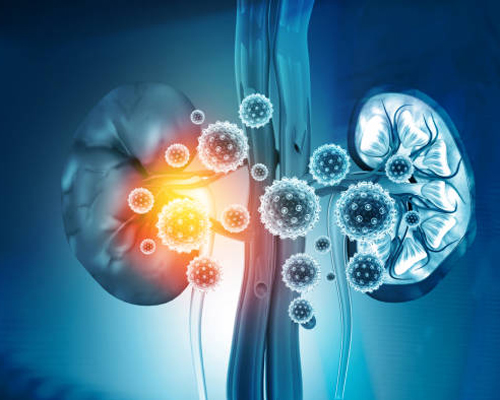
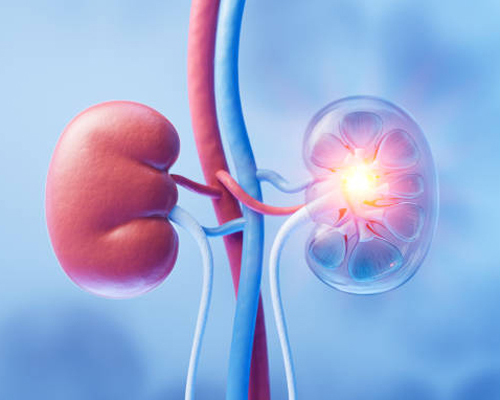
PKD is a genetic disorder. In this disease, numerous cysts develop within the kidneys. These cysts become bigger and increase in number slowly damaging the kidney functions.
There are two main types:
- Autosomal Dominant PKD (ADPKD): The common type. The first signs normally begin at adulthood.
- Autosomal Recessive PKD (ARPKD): Uncommon and are often found in children.
Eventhough, PKD is a genetic condition, the disease development is affected by the lifestyle.
How PKD Affects Your Body
PKD primarily involves the kidneys, however, as the cysts increase in size, the disease may affect numerous other areas of your body as well.
Kidneys
The increasing cysts cause the kidneys to be large and heavy. Over time, you may experience:
- Pain in the back or sides
- Blood during urination (when a cyst ruptures)
- Repeated kidney infections
- Slow damage of kidney functions
- Fatigue, vomiting, leg swellings can occur with a decrease in kidney functions
High Blood Pressure
Majority of patients with PKD develop high blood pressure.
This occurs due to the fact that the kidneys greatly contribute towards the regulation of BP, which cysts disrupt.
High BP may also cause severe kidney damage therefore, it is highly important to manage it.
Liver Cysts
The cysts in the liver are also common in many individuals with ADPKD.
These cysts will not normally influence liver functioning, although they might result in:
- Fullness in the stomach
- Bloating
- Discomfort after eating
Blood Vessels
There are also individuals with PKD who might develop weak spots within the blood vessels particularly in the brain which is commonly known as aneurysms. They are not common but they must be addressed in case you have a family history.
Stomach and Abdomen
The larger the kidneys the larger they become and thus occupy more space in the abdomen.
This can cause:
- Bloating
- Early fullness while eating
- Difficulty sleeping comfortably
Pain
Pain is one of the most common symptoms. It is caused by:
- Large cysts
- Bursting cysts
- Kidney stones
- Infections
Pain may be mild or severe, but it can be managed with proper care.
Symptoms to Watch Out For
PKD symptoms usually appear slowly. Signs may include:
- Pain in back, sides or abdomen
- Frequent urination
- Blood in urine
- Swelling in legs or feet
- High blood pressure
- Headaches
- Repeated urine infections
- Tiredness or weakness
- Increase in waist size due to enlarged kidneys
Managing PKD: What Really Helps
PKD cannot be cured at the moment, but there are numerous methods and ways of treatment, and habits that make this disease less impactable.
Control Blood Pressure
This is the most important step.
It is better to maintain BP at 120/80 in the majority of PKD patients.
Drink Plenty of Water
Hydration helps slow down the hormone that promotes cyst growth.
Your doctor will tell you how much water is right for you.
Simple steps make a big difference:
- Reduce salt
- Eat fresh foods
- Avoid smoking
- Walk or exercise regularly
- Avoid painkillers like ibuprofen
- Maintain a healthy weight
Treat Infections Quickly
If you have fever, pain, or burning urine, get checked immediately.
Infections can worsen kidney damage if ignored.
If you’re looking to protect your kidney health or manage an existing kidney concern, consulting the Best Nephrologist in Financial District can help you get the right diagnosis and care.
If needed, you can also search for a Kidney doctor near me to ensure timely evaluation and treatment.
Dr. Seerapani provides patient friendly, personalised renal diet and lifestyle advice based on your health needs and lab reports.
FAQs
Polycystic kidney disease (PKD) is a genetic disorder in which fluid-filled cysts grow in the kidneys, causing them to enlarge and gradually reduce kidney function. Autosomal dominant PKD (ADPKD) usually affects adults, while autosomal recessive PKD (ARPKD) occurs in childhood. Although there is no cure, early management can slow progression.
PKD is managed by nephrologists who focus on slowing disease progression through blood pressure control, hydration guidance, and infection prevention. Dr. Seerapani Gopaluni provides ongoing monitoring and treatment for PKD patients, especially in areas like Nanakramguda, focusing on kidney function preservation and symptom control.
In PKD, expanding kidney cysts interfere with normal kidney function and activate hormonal systems that raise blood pressure. This hypertension further damages kidney tissue and accelerates disease progression. Kidney specialists in Hyderabad’s Financial District aim to maintain optimal blood pressure levels using medications and lifestyle modifications.
PKD infections can worsen cyst damage and lead to serious complications if not treated promptly. Symptoms like fever, abdominal pain, or burning urination require immediate evaluation. Early antibiotic treatment by a kidney doctor near your location in Hyderabad helps prevent scarring and further kidney damage.
Slowing PKD progression involves controlling blood pressure, staying well-hydrated, following a low-salt diet, exercising regularly, avoiding smoking, and limiting painkiller use such as NSAIDs. Kidney specialists also recommend regular monitoring to detect infections early and preserve kidney function.