

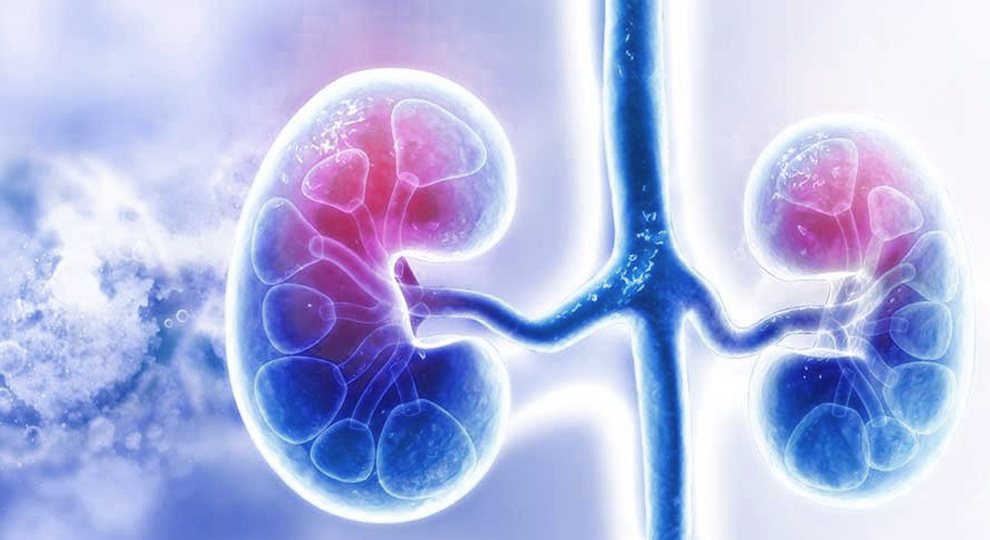
Acute Kidney Injury Treatment: Rapid Intervention for Sudden Kidney Problems
Acute Kidney Injury (AKI) is a sudden decline in kidney function that develops over hours or days. It can occur due to dehydration, infections, medication side effects, or a sudden drop in blood flow to the kidneys. Without prompt treatment, AKI can lead to serious complications — but with timely intervention, most patients recover completely.
Understanding Acute Kidney Injury
The kidneys are responsible for filtering waste and maintaining fluid and electrolyte balance. When they suddenly lose this ability, waste products accumulate rapidly, and the body’s internal balance is disturbed. AKI is not always caused by pre-existing kidney disease — it can affect anyone during severe illness, surgery, or infection.
Common causes include:
- Severe dehydration or blood loss
- Sepsis (body-wide infection)
- Certain antibiotics or painkillers
- Obstruction in the urinary tract (stones, enlarged prostate)
- Cardiac conditions causing poor blood flow to kidneys
- Signs and Symptoms
Early detection is key to preventing complications. Symptoms may include:
- Sudden drop in urine output
- Swelling in legs, ankles, or around eyes
- Nausea, vomiting, or loss of appetite
- Shortness of breath or fatigue
- Confusion or drowsiness
These signs require immediate medical evaluation to identify the cause and start appropriate treatment.
Diagnosis and Evaluation
Our team performs a detailed assessment to determine the underlying cause and severity of AKI. Key investigations include:
- Blood tests (creatinine, urea, electrolytes)
- Urine tests to detect infection or protein levels
- Ultrasound scan to check for blockages or structural abnormalities
- Fluid balance monitoring to track kidney function and hydration
- Blood pressure and cardiac evaluation to assess circulation issues
- Advanced Treatment Options
AKI treatment focuses on restoring kidney function and addressing the underlying cause. Depending on the condition, the treatment may include:
- Intravenous fluids to correct dehydration and improve kidney perfusion
- Medication adjustments — stopping or replacing drugs that harm the kidneys
- Antibiotic therapy for infections
- Relief of obstructions through catheterization or minor surgical procedures
- Dialysis (temporary) in severe cases to remove toxins and stabilize the patient
Early intervention can prevent progression to chronic kidney disease or permanent damage.
Recovery and Follow-Up Care
After recovery, regular monitoring of kidney function is essential. We provide:
- Ongoing blood and urine tests to ensure kidney function returns to normal
- Blood pressure and diabetes control to reduce recurrence risk
- Dietary and lifestyle counseling for kidney protection
- Medication review to avoid future drug-induced injury
With timely diagnosis and expert care, most AKI patients make a full recovery and return to normal kidney health.
Why Choose Us
- Rapid Diagnosis & Intervention: Early management to prevent complications.
- Multidisciplinary Expertise: Nephrologists, urologists, and intensivists working together.
- Comprehensive Monitoring: Advanced technology for accurate fluid and kidney function tracking.
- Personalized Follow-Up Plans: Ensuring long-term kidney protection.
FAQs
Acute kidney injury (AKI) is caused by a sudden decline in kidney function due to factors like dehydration, infections (sepsis), certain medications, urinary obstruction or reduced blood flow from heart conditions. It disrupts waste filtration quickly but can often be reversed with timely treatment.
Acute kidney injury is treated by experienced nephrologists in Hyderabad using prompt and targeted care. Dr. Seerapani Gopaluni manages AKI with IV fluids, medication adjustments, antibiotics and temporary dialysis when required, especially for patients in areas like Nanakramguda.
AKI is diagnosed through blood tests, urine analysis and imaging studies. Specialists in Hyderabad’s Financial District check creatinine levels, electrolyte balance, urine output and perform kidney ultrasounds. They also assess symptoms like swelling, nausea and confusion to identify the underlying cause quickly.
Sudden low urine output is a medical emergency that may indicate acute kidney injury. Kidney doctors near your location in Hyderabad can quickly evaluate the cause and begin treatment to prevent toxin buildup and permanent kidney damage. Early intervention significantly improves recovery outcomes.
Recovery after AKI includes regular kidney function monitoring, blood pressure and diabetes control, medication review and dietary guidance. Kidney specialists ensure follow-up care to prevent recurrence and support full recovery, helping most patients regain normal kidney function.