

Lupus: Living with a Shape-Shifting Condition
For lupus, there is no medicine. Some may have pain in their joints, while others may have problems with their kidneys or be exhausted. The symptoms appear unexpectedly and then just as suddenly disappear in the middle of the night. This is what makes lupus a mystery and a problem for those in medicine who have encountered this disease many times.
This means that lupus is an autoimmune disease. This in turn means that lupus is a disease in which your immune system, which is supposed to be helping you, is in fact working against you. This in turn means that lupus must be a disease that is affecting your skin, your joints, your kidneys, your heart, your lungs, or a combination of these. The effect that lupus has will depend upon what lupus is affecting and how active it is.
What actually causes it?
The thing is, we're not entirely sure. It can be a combination of things. First, there is the family factor. Lupus tends to run in families. And then there are hormones. This is why it is so much more common in women, as well as why it tends to occur during childbearing years. And then there are the triggers. Maybe it was a bad infection. Maybe it was stress. Maybe it was just too much time spent in the sun.
One thing that should be understood is that lupus is not a contagious disease. It cannot be obtained from a person, and a person cannot obtain it from another. We are not really sure what causes lupus in the first place.
What might you notice?
It changes. Many. While some people may only have a few of these at any given time, there may be a few. The most common ones include:
- Painful or stiff joints, particularly in the morning
- That traditional "butterfly" rash across your nose and cheeks
- Fatigue that is so severe it won't go away even with sleep
- Feverishness without a clear reason for it
- Thinning or bald spots in your hair
Some persons experience periods of calm interspersed with flare-ups, etc. Knowing your personal inclinations and what causes your symptoms will help you stay one step ahead of it.
Getting to a diagnosis
This is not like figuring out that your bone is broke and your doctor looks at an X-ray. There is no test for lupus. There are a number of different things doctors use. There's what happened to you, a physical exam, blood tests that allow doctors to see what's going on with your immune system and if there are any other problems with your system, and urine tests if there are problems with your kidneys. Since lupus looks like a million other things, it takes a while to diagnose. That's okay. Jumping to conclusions is missing the big picture.
Managing day to day
It is not curable; however, it is controllable. It is not a case of "one size fits all." It may be anti-inflammatories, "calming" drugs for the immune system, or anything else that may be required depending on what is happening in the body. And what is required may change as the person changes. What may be required during the flare may not be required once the flare has settled.
Medication is important, yes, but so are the small choices you make on a daily basis. Take a break if you need one, eat well, wear sunscreen like it’s second nature (for some, it is), listen to your body, don’t try to push through everything, etc.
Living fully with lupus
There are people out there living with lupus, having jobs, taking vacations, and having families. It is a fact that there are good days and bad days. The difference between living with lupus and just getting by is your support system, taking care of yourself, and regular communication with your medical staff. They are not extras.
Yes, lupus is a complicated disease. Being predictable is not always certain. However, if you have the proper treatment and education, lupus does not have to consume your life. It is a fact of life.
FAQs
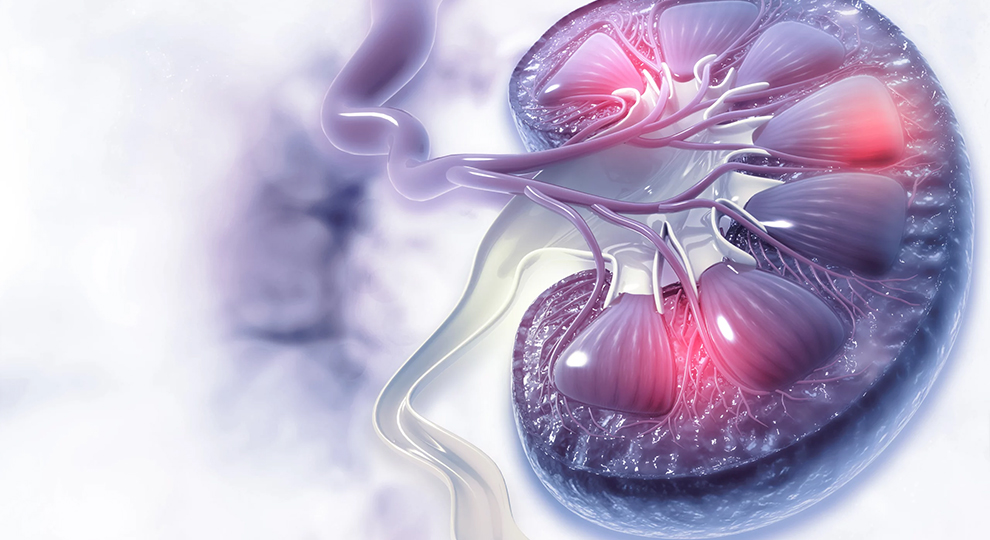
Lupus is an autoimmune disease caused by a combination of genetic, hormonal and environmental factors such as infections, stress and sun exposure. It can affect the kidneys, leading to a condition called lupus nephritis, which may cause protein in the urine and kidney inflammation. A nephrologist in Hyderabad can diagnose and manage these complications with personalized care.
Lupus nephritis is diagnosed through blood tests, urine analysis and clinical evaluation of symptoms. Kidney specialists in Nanakramguda assess immune activity, check for protein loss in urine and may recommend additional tests to confirm kidney involvement. Early diagnosis helps prevent long-term kidney damage.
Consulting a nephrologist in Hyderabad’s Financial District helps manage lupus-related kidney complications effectively. These specialists provide treatment with immunosuppressants, anti-inflammatory medications and lifestyle guidance to control flare-ups and protect kidney function over time.
Common lupus symptoms include joint pain, fatigue, skin rashes (often a butterfly-shaped rash), fever and hair loss. Kidney specialists near your location in Hyderabad focus on identifying early kidney involvement and managing complications like proteinuria and inflammation to prevent disease progression. Dr. Seerapani Gopaluni offers comprehensive care for lupus-related kidney conditions.
Managing lupus involves daily self-care practices such as getting adequate rest, following a balanced diet, using sunscreen to avoid flare-ups and reducing stress. Regular follow-ups, medication adherence and monitoring kidney health are essential. Top kidney doctors in Hyderabad guide patients with personalized plans for long-term stability.