

A Guide to Blood Vessel Inflammation
Think about the many little highways running into your body that supply oxygen and nutrients to all your organs.
Just consider what would happen to those highways and make them inflamed or even stopped. In case of this, the organs, which rely on them, can find it hard to perform their duties.
What Is Vasculitis?
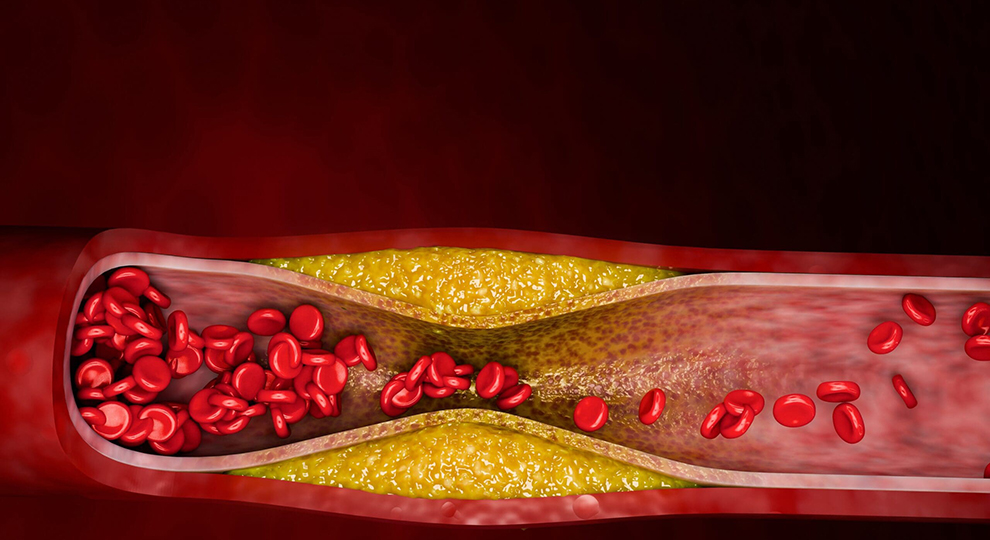
Vasculitis is inflammation of blood vessels, such as arteries, veins and capillaries. In case these vessels get inflamed, the vessel walls may thicken, weaken, narrow and scar. This has the ability to reduce blood supply to organs and tissues.
Because blood vessels exist all over the body, it may affect many organs and they may include:
- Kidneys
- Skin
- Lungs
- Brain
- Nerves
- Digestive system
There are mild and short term forms of vasculitis and others may become chronic and require long term care.
Types of Vasculitis
It is not a single disease. But a set of conditions that can affect various blood vessels.
- Giant Cell Arteritis: Typically affects older persons and has an impact on the major arteries.
- Arteritis of Takayasu: A rare form affecting large arteries such as the aorta.
- Kawasaki Disease: This is common in children and may affect coronary arteries.
- Granulomatosis with Polyangiitis: It is a disease of small and medium vessels that may involve lungs and kidneys.
- Henoch-Schönlein Purpura: This is prevalent in children and it is likely to result in skin rash and renal involvement.
What Causes Vasculitis?
It occurs when the immune system attacks blood vessels causing inflammation in many cases, including:
- Autoimmune Disorders
- Infections
- Medication Reactions
- Genetic Factors
Organ Specific Symptoms
When vasculitis affects specific organs, symptoms may include:
Skin
- Red spots
- Skin discoloration
- Painful bumps
Nerves
- Numbness in hands and fee
Lungs
- Shortness of breath
- Persistent cough
Digestive System
- Abdominal pain after eating
- Blood in stool
Kidney
- Potein in urine
- Reduced kidney function
These symptoms occur because inflammation restricts blood flow to tissues.
Why Early Diagnosis Matters
Sometimes vasculitis may develop rapidly. If blood flow is significantly reduced organs might get permanently damaged.
Potential complications are:
- Organ failure
- Blood clots
- Aneurysms
- Vision loss in severe cases
It is commonly diagnosed by doctors using:
- Blood tests
- Urine tests
- Imaging scans
When Should You See a Doctor?
Seeking a doctor is vital if you experience:
- Continuous unexplained fatigue
- Painful rash on skin
- Nerve pain
- Shortness of breath
- Blood in urine
Vasculitis is not common, yet its awareness is effective. Professional treatment can avoid severe complications and enhance the quality of long term results.
If you are experiencing symptoms connected with vasculitis and worried about the condition of your kidneys. A qualified specialist is necessary to receive appropriate attention and individual treatment.
FAQs
Vasculitis is a condition where blood vessels become inflamed, reducing blood flow and damaging organs like the kidneys. This can lead to protein in the urine, blood in urine or reduced kidney function. Early diagnosis and treatment are important to prevent complications such as kidney failure.
Vasculitis affecting the kidneys is treated by experienced nephrologists in Hyderabad using advanced diagnostic tests and targeted therapies. Dr. Seerapani Gopaluni manages autoimmune kidney conditions with personalized treatment plans, especially for patients in areas like Nanakramguda, focusing on early intervention and kidney protection.
Types of vasculitis that commonly affect the kidneys include granulomatosis with polyangiitis and IgA vasculitis (Henoch–Schönlein purpura). Nephrologists in Hyderabad’s Financial District treat these conditions with immunosuppressive medications and regular monitoring to prevent complications such as kidney damage or blood clots.
Blood in the urine or skin rashes can be early signs of vasculitis and should be evaluated by a kidney doctor near your location in Hyderabad. These symptoms may indicate inflammation of blood vessels affecting kidney function. Early diagnosis helps prevent permanent kidney damage and serious complications.
Kidney specialists in Nanakramguda treat vasculitis using medications that suppress the immune system and reduce inflammation. They also manage symptoms like fatigue, nerve pain and breathing issues. Regular monitoring, lifestyle guidance and timely treatment help improve organ function and overall quality of life.