

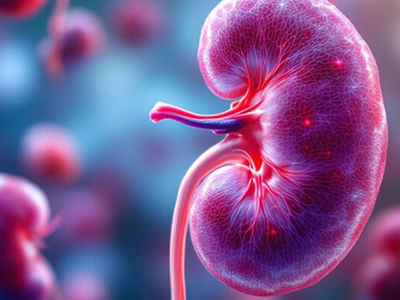
Glomerulonephritis: Understanding kidney inflammation
People do not even consider their kidneys: everything works out well until something goes wrong. These small powerful organs work around the clock to filter waste, balance fluids and maintain general wellbeing.
Kidney disease that affects the glomeruli, the microscopic filters that clean your blood. In case such filters get inflamed, they might break down their work and this can cause severe health complications in case they are not addressed at an earlier stage called glomerulonephritis.
What Is Glomerulonephritis?
Kidneys have millions of glomeruli, which act as mini filters. When such filters get inflamed or damaged, they are not able to remove waste.
There are 2 types:
Acute Glomerulonephritis: This type develops suddenly, commonly following an infection such as strep throat. Kidney functioning can restore itself with timely treatment.
Chronic Glomerulonephritis: It is a progressive type that will result in CKD when untreated.
Due to the fact that the condition can silently develop, many of them can remain unaware that they have inflammation in the kidneys until the condition becomes more noticeable.
Common Symptoms
The symptoms of glomerulonephritis may be different depending on the severity of inflammation and the disease progression.
Some early signs include:
- Blood in urine
- Foamy urine
- Face, hand, foot or ankle swelling
- High blood pressure
- Fatigue and weakness
- Reduced urine output
These symptoms can manifest themselves over time, which is why you should seek medical attention in case of constant changes in urine or a swollen body.
Medical Interventions
The treatment varies depending on the cause of the disease, severity and the stage. The major aim is to control inflammation and to protect kidney functionality.
Medications: Medications prescribed by the doctors may include:
- Blood pressure medications
- Corticosteroids to reduce inflammation
- Medications that inhibit the immunological system
- Diuretics to reduce swelling and fluid accumulation
These therapies contribute to delaying the disease and enhancing the performance of kidneys.
Lifestyle and Dietary Modification: The lifestyle changes are also significant in controlling kidney disease. Patients have been recommended to:
- Reduce salt intake
- Maintain normal blood pressure
- Follow a renal diet
- Restrict protein consumption where necessary
- Stay physically active
Such changes can benefit reducing the burden on the kidneys and support total health.
Advanced Care: In case of severe damage to the kidneys, advanced therapy might be necessary, including dialysis or kidney transplant.
Nevertheless, most patients can avoid such advanced treatments when they are diagnosed early and given appropriate care.
Protecting Your Kidney Health
Kidneys carry out very important functions which maintain the body as balanced and healthy.
Advice for kidney health:
- Drink enough water
- Sustain a normal blood pressure level
- Control blood sugar levels
- Avoid unnecessary use of painkillers
- Get regular health checkups
Regular body screening tests are also able to show kidney issues at an early stage. Before the symptoms become serious.
Experienced nephrologists are concerned not only with the treatment but also with the prevention of further damage to the kidney through personalized care, lifestyle recommendation and checkups.
In case you have some symptoms like blood in urine, swelling and chronic fatigue, it is important to seek medical attention immediately.
FAQs
Glomerulonephritis is a condition where the kidney’s filtering units (glomeruli) become inflamed, affecting waste removal from the body. It has two main types: acute, which appears suddenly often after infections and chronic, which develops slowly and may lead to chronic kidney disease (CKD). Early treatment is essential to protect kidney function.
Glomerulonephritis is treated by experienced nephrologists in Hyderabad who use medications to control inflammation and protect kidney function. Dr. Seerapani Gopaluni provides personalized care using corticosteroids, blood pressure control and lifestyle guidance, especially for patients in areas like Nanakramguda.
Nephrologists in Hyderabad’s Financial District manage glomerulonephritis by controlling blood pressure, reducing inflammation and monitoring kidney function regularly. They also recommend a low-salt, kidney-friendly diet. Symptoms such as foamy urine, swelling and fatigue are closely tracked to prevent disease progression.
Foamy urine and swelling are early warning signs of kidney inflammation and should be evaluated by a kidney doctor near your location in Hyderabad. These symptoms may indicate glomerulonephritis or other kidney conditions. Early diagnosis through blood and urine tests helps prevent long-term kidney damage.
Kidney specialists in Nanakramguda recommend reducing salt intake, managing protein consumption, staying hydrated, exercising regularly and avoiding unnecessary medications like painkillers. These lifestyle changes, combined with medical treatment, help protect kidney function and improve long-term outcomes.