Protein in Urine Should You Worry
A urine test is commonly performed as a routine health check-up to determine the health of the kidneys. In some cases, the report can state that there is protein in urine.
Is it serious? Does it suggest kidney damage? Or could it be temporary?
The thing is that proteinuria may be caused by a wide range of factors. Some of them are not harmful and temporary. Others may be the signs of early kidney disease.
Protein in Urine: What Does It Mean?
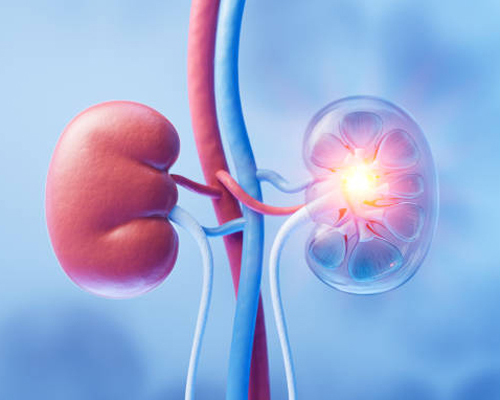
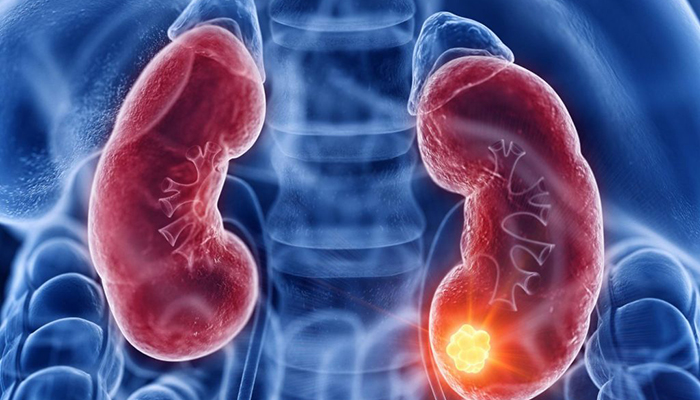
Your kidneys are the natural filters. They take away garbage and excess fluid from the blood and retain necessary content such as proteins within the body.
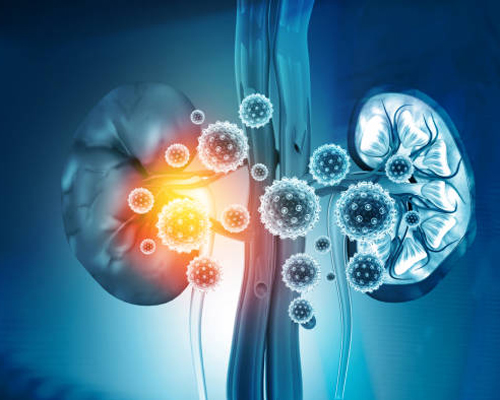
In normal cases, minimal amounts of protein are excreted into urine. However, in some cases, when the units of filtering called glomeruli of the kidneys get damaged or stressed, the leakage of protein into the urine can occur.
This is known as proteinuria and it can be observed during a normal Renal disease examination or urinalysis.
Protein in urine is one of the earliest kidney damage signs in many cases. It occurs before symptoms develop.
Is Proteinuria Always a Cause for Concern?
Not necessarily.
Temporary increases in urine protein can occur because of everyday factors such as:
- Dehydration
- Fever or infection
- Intense exercise
- Stress
- Pregnancy
- Urinary tract infections
Such cases can lead to a temporary proteinuria that can be resolved on its own.
Common Causes of Proteinuria
Protein leakage in urine may occur due to a number of health conditions. The most widespread reasons are:
- Diabetes: The blood sugar level may eventually cause damage to renal vasculature, resulting in diabetic Renal disease, which is a significant cause of proteinuria.
- High Blood Pressure: Chronic hypertension causes kidney filters to be weak and thus allows protein to find its way into urine easily.
- Kidney Inflammation or Infection: Such diseases as glomerulonephritis may directly destroy the filtration system.
- Chronic Kidney Disease: Continuous proteinuria becomes one of the common signs of CKD.
- Autoimmune Disorders: There are also diseases that affect kidney function like lupus.
Due to these possible causes, the doctors usually prescribe additional disease tests in case of the persistence of proteinuria.
How Is It Diagnosed?
In case protein is detected during a routine urine test, then your doctor might recommend some more kidney disease tests to be done to verify the diagnosis.
These may include:
- Urine Protein Test: Determines the quantity of proteinuria.
- 24-Hour Urine Collection: Assesses the amount of protein lost per day.
- Blood Test: Checks kidney function using creatinine and other markers.
- Imaging Test: Structural kidney issues can be detected using ultrasound or scans.
Diagnosis at an early stage enables physicians to detect the cause and prevents further damage.
Why Early Detection Matters
Many Renal diseases develop silently. Patients do not experience any serious health issues and usually feel perfectly fine until function has already deteriorated.
This is the reason why regular urine test kidney screening is an important preventive measure in healthcare.
The early detection of proteinuria enables physicians to:
- Regulate high blood pressure or diabetes
- Adjust medications
- Recommend dietary changes
- Avert development of kidney failure
Early intervention in most instances can delay or even prevent the development.
Lifestyle Tips to Protect Kidney Health
Provided that they test positive for protein in the urine, lifestyle changes can be used to improve kidney health.
- Stay hydrated: The adequate consumption of water aids the filtration.
- Control Blood Sugar: When you are diabetic, it is necessary to control sugar properly.
- Manage Blood Pressure: One of the leading causes of kidney damage is high blood pressure.
- Reduce Salt Intake: Reduction of salt intake protects the functioning of the kidneys.
- Avoid Excess Painkillers: Kidneys can be damaged with long-term usage of some medication.
- Regular Health Checkups: Regular screening can help to detect problems early.
These simple steps can significantly reduce the complications.
When to Consult a Nephrologist?
You should consult a specialist in case:
- Protein is detected in various urine tests
- You have diabetes or hypertension
- You notice swelling or weakness
- Blood tests indicate abnormal function
Consulting a qualified kidney specialist or a Dialysis Doctor in Nanakramguda can help diagnose and manage conditions at the initial stages.
Take Charge of Your Kidney Health Today
Protein in the urine is a cause to worry, but it may not necessarily indicate a severe Renal disease.
Often, it can be short term because of dehydration, sickness or physical strain. Nevertheless, persistent proteinuria may be among the first signs of kidney damage, which should not be disregarded.
A life change is possible through early diagnosis.
Visit the best nephrologist in Hyderabad to get a detailed test of renal disease and a professional treatment schedule.
FAQs
Protein in urine (proteinuria) occurs when the kidney’s filtering units are damaged, allowing protein to leak into urine. Common causes include diabetes, high blood pressure, chronic kidney disease (CKD), infections, and autoimmune disorders. Temporary causes like fever, dehydration, or intense exercise may also contribute, but persistent protein loss requires medical evaluation.
Persistent protein in urine is evaluated by experienced nephrologists in Hyderabad using specialized diagnostic tests. Dr. Seerapani Gopaluni diagnoses proteinuria using urine protein analysis, blood creatinine tests, and kidney ultrasounds, especially for patients in areas like Nanakramguda, focusing on early detection of kidney disease.
Doctors in Hyderabad’s Financial District diagnose proteinuria using urine dipstick tests, 24-hour urine protein estimation, blood tests like eGFR, and kidney imaging. These tests help determine the severity and underlying cause, and follow-up testing is used to confirm whether the condition is temporary or chronic.
Foamy urine and swelling can be early signs of protein leakage from the kidneys, often indicating early kidney damage. If left untreated, this can progress to chronic kidney disease. Early treatment with blood pressure control, blood sugar management, and dietary changes can slow or prevent further kidney damage.
Reducing protein in urine involves controlling blood sugar and blood pressure, limiting salt intake, staying hydrated, avoiding unnecessary painkillers, and attending regular checkups. Kidney specialists near your location in Hyderabad recommend these habits along with ongoing monitoring to protect long-term kidney function.