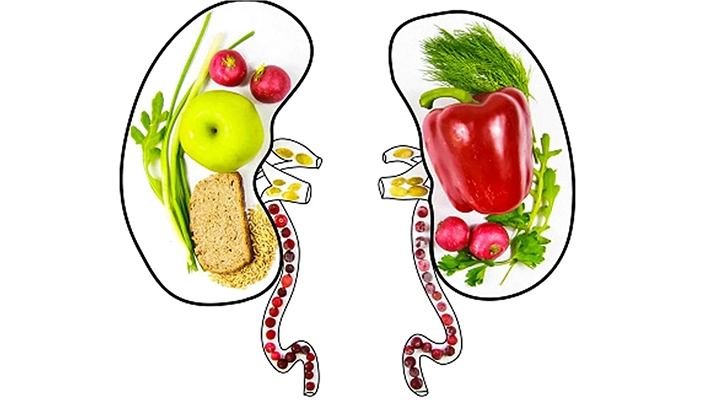
Kidney Friendly Diet: What to Eat & Avoid for Healthy Kidneys
YourThink about how much food you intake overall in a day. Your morning tea, a quick snack, lunch, something sweet in the evening. Your kidneys deal with all of it. They handle the extra salt, the fluids, the minerals and the waste.
But when certain eating habits become routine, the kidneys start feeling the pressure. everyday choices can make a big difference in how healthy your kidneys for long time.
Why Food Matters
Your blood is purified by your kidneys all the day. They remove waste, level minerals, regulate fluid and make sure your blood pressure is normal. The kidneys are forced to work more effort than normal when you consume too much salt, potassium or protein waste in the foods.
What to Eat
Let’s talk about foods that support your kidneys.
- Low salt intake : Salt increases blood pressure and causes water retention. You don’t have to stop taking salt. Just reducing intake on daily basis is helps your kidneys.
- Fruits: Apples, Berries, Grapes, Papaya, Pineapple and Guava are refreshing, hydrating and easy on the kidneys. If your potassium is high, limit the intake of Banana, Orange, Avocado and Pomegranate.
- Vegetables: Vegetables are important, but you may have to choose vegetables which have lower potassium. Kidney friendly vegetables include Cabbage, Cauliflower, Bell peppers, Bottle gourd, Ridge gourd, Cucumber, Lettuce and beans.
- Protien: Protein is important, but the waste it produces also increases pressure on the kidneys. So you have to eat the right amount of it. Lighter protein options include Egg whites, Lean chicken, Fish, Tofu, Paneer.
- Whole grains: Kidney friendly options are Rice, Chapati, Ragi, Idli, dosa batter, Poha, Oats are easy on kidneys.
- Healthy fats: Healthy fats reduce inflammation. You can choose Olive oil, Groundnut oil, Sunflower oil, Small amounts of ghee.
- Water: Hydration supports kidney filtration but kidney patients should follow their doctor’s advice on this part. Consulting the Best Nephrologist in Hyderabad can help you understand the right diet and fluid intake based on your condition.
What to Avoid
Salty foods, including pickles, papad, chips, instant noodles, tinned soups and most of the restaurant foods leads to kidney issues. The body requires potassium and in case of low kidney functioning, excessive amounts are dangerous.
Limit foods such as coconut water, tomatoes, spinach, sweet potatoes, bananas and oranges in that case depending on your test results. Phosphorus may accumulate when the kidneys are weak and it may damage the health of bones, thus, it is better to limit the amount of cheese spreads, whole milk, chocolates, colas and packaged bakery products that include phosphate. Protein is important but too much of it, particularly red meat, large amounts of chicken or fish make their work heavier and they have more waste to filter out.
If you’re looking to protect your kidney health or manage an existing kidney concern, expert guidance makes all the difference. Dr. Seerapani provides patient friendly, personalised renal diet and lifestyle advice based on your health needs and lab reports.
You can also consult a Dialysis doctor near me for ongoing care and support if you are undergoing treatment.
Book a consultation to understand exactly what your kidneys need and start making food choices that support long term kidney health.
FAQs
Kidney-friendly fruits include apples, berries, grapes, papaya, pineapple, and guava, as they are generally lower in potassium and help maintain hydration. High-potassium fruits like bananas and oranges should be limited if blood potassium levels are elevated, based on medical advice.
Renal diet plans in Hyderabad are created by nephrologists who customize nutrition based on kidney function, lab reports, and electrolyte levels. Dr. Seerapani Gopaluni designs individualized kidney-friendly diets that balance protein, salt, and potassium intake, especially for patients in areas like Nanakramguda.
Vegetables such as cabbage, cauliflower, bottle gourd, ridge gourd, cucumber, bell peppers, lettuce, and green beans are low in potassium and suitable for kidney health. These are commonly recommended in renal diets to reduce toxin buildup and support kidney function.
Limiting salt is essential because excess sodium increases blood pressure and fluid retention, which directly damages kidney function. Kidney specialists near your location recommend avoiding processed and packaged foods and focusing on fresh home-cooked meals to protect long-term kidney health.
Foods high in potassium (like coconut water, spinach, and tomatoes when restricted), high phosphorus foods (such as colas, cheese, and chocolates), and excessive red meat should be limited in kidney disease. Kidney specialists recommend balanced alternatives based on individual lab reports to maintain safe nutrient levels.