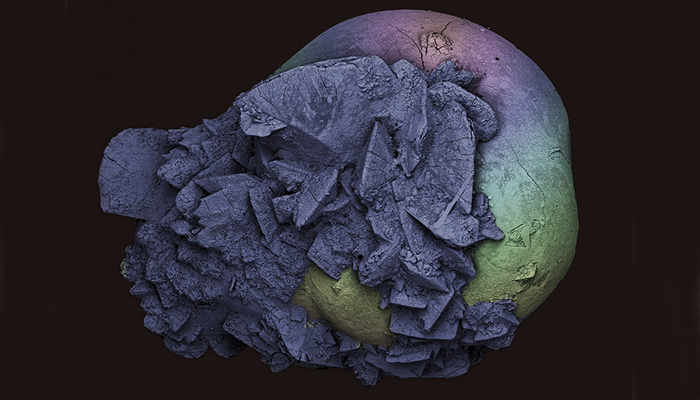
Everything About Kidney Stones: From Symptoms to Modern Treatment Methods
All of us know what kidney stones are by now. However, it’s not many that know until they experience them firsthand. Some will end up with a stone in the kidney, but they might not even know they have one, or they will be caught off guard when they experience severe pain enough that they cannot perform daily activities. Such as working, sleeping, walking, and so on.
Kidney stones are caused due to the accumulation of minerals from the urine that are not removed from the body properly. This is because the urine is supposed to remove these minerals and salts from the body. However, due to an insufficient amount of water intake or due to an excessive presence of minerals, tiny particles begin to develop, which initially are too small to even cause an issue, but eventually become stones.
What Leads to Kidney Stone Formation
Kidney stones are rarely formed because of one reason alone. Mostly, many small factors are combined to develop them.
Some general reasons are:
- Dehydration: If your body does not have enough water, your urine will be very concentrated, and your urine minerals will stick together.
- Too much salt, too much meat, or an excess of vitamins in foods.
- Health problems, problems with urinary infections or metabolism.
- Family History: They tend to run in families.
There are other daily factors as well:
- Hot temperatures that cause you to lose fluids quickly.
- Working long hours without taking water breaks.
- Retaining urine for a prolonged period.
To be aware of these things means people can change small things to reduce the possibility of having stones.
Recognizing the Symptoms Early
Some will give no immediate trouble. Small ones may even pass out without the person being aware of them. Generally, the problem would begin when a stone moves or blocks urine passage.
The predominant kidney stone symptom is pain; it is usually in the lower back or side. It moves towards the abdomen or groin. Pain comes in waves, sometimes worse, other times less. People may also feel burning when peeing, notice blood, or feel nauseous and even vomit.
Fever or chills may mean that an infection is occurring. If this happens, seek assistance immediately or consult the Best Kidney Doctor in Hyderabad for timely care.
How Doctors Identify Kidney Stones
Medical diagnostic methods or tools mainly used by doctors to ascertain the formation include ultrasound scanning and a CT scan. Results from the diagnostic tools may indicate the position and size. Blood/urine test analysis, on the other hand, indicates kidney functions, signs of infections, and the constituents of the stones.
Modern Treatment Options Available Today
Kidney stone treatment varies on its size, location, and level of pain.
- Small Stones: May pass with more fluid in the body, pain relievers, and some movement.
- Medication: Relaxes urinary tract muscles to help with urination by relieving pain and aiding in.
- Shock-wave therapy: Uses sound waves to fragment a stone so it can pass more easily.
- Minimally invasive surgery: Using thin instruments, for large or troublesome stones, removal or fragmenting of the stone takes place. Recovery time is faster than traditional surgery.
For advanced care and monitoring, consulting a Dialysis Doctor in Nanakramguda can help in managing complications and ensuring proper kidney support if required.
Recovery and Preventing Recurrence
Secondly, there is the aspect of recovery. Most people always manage to recover within a very short period, depending on the medication they are given. Removing the stone is, however, not the whole solution. Understanding kidney stones causes can help you take steps to prevent them from forming.
The doctors would advise more fluid consumption, including water, on a daily basis. Dietary changes based on the type of stones would also be advised. Reducing salt consumption and following proper medical advice would reduce risks associated with forming new stones.
A Reassuring Final Note
Painful and very frustrating, kidney stones can usually be treated. Early warning sign recognition and treatment can help prevent problems from getting serious. With the right care and easy lifestyle modifications, victims can usually lead normal lives.
If this pain continues, or if any alterations in your urine, it is best to see a doctor as soon as possible. Early treatment will prevent unnecessary pain to your kidneys.
FAQs
Kidney stones are mainly caused by dehydration, which concentrates urine and allows minerals like calcium and uric acid to form crystals. Other factors include high salt or protein intake, urinary infections, metabolic disorders, certain vitamins, hot climate, and family history. Often, multiple factors together contribute to stone formation.
Kidney stones in Hyderabad are treated by nephrologists and urology specialists using imaging tests like ultrasound and CT scans. Dr. Seerapani Gopaluni provides treatment options such as ESWL (shock wave therapy), ureteroscopy, and preventive dietary planning, especially for patients in areas like Nanakramguda.
Kidney stones are diagnosed using ultrasound or CT scans to determine size, location, and blockage. Blood and urine tests are also performed to assess kidney function, infection, and stone composition. Hospitals in Hyderabad’s financial district can quickly confirm diagnoses and guide appropriate treatment.
Blood in urine, nausea, and severe colicky pain may indicate a kidney stone causing obstruction or infection. Delayed treatment can lead to kidney damage or complications requiring surgery. Early evaluation by a kidney doctor near your location in Hyderabad ensures faster relief through medications or minimally invasive procedures.
Kidney stone prevention includes drinking 2–3 liters of water daily, reducing salt and animal protein intake, maintaining a balanced diet, and following personalized dietary advice based on stone type. Kidney specialists also recommend regular follow-ups and active lifestyle habits to significantly reduce recurrence risk.